
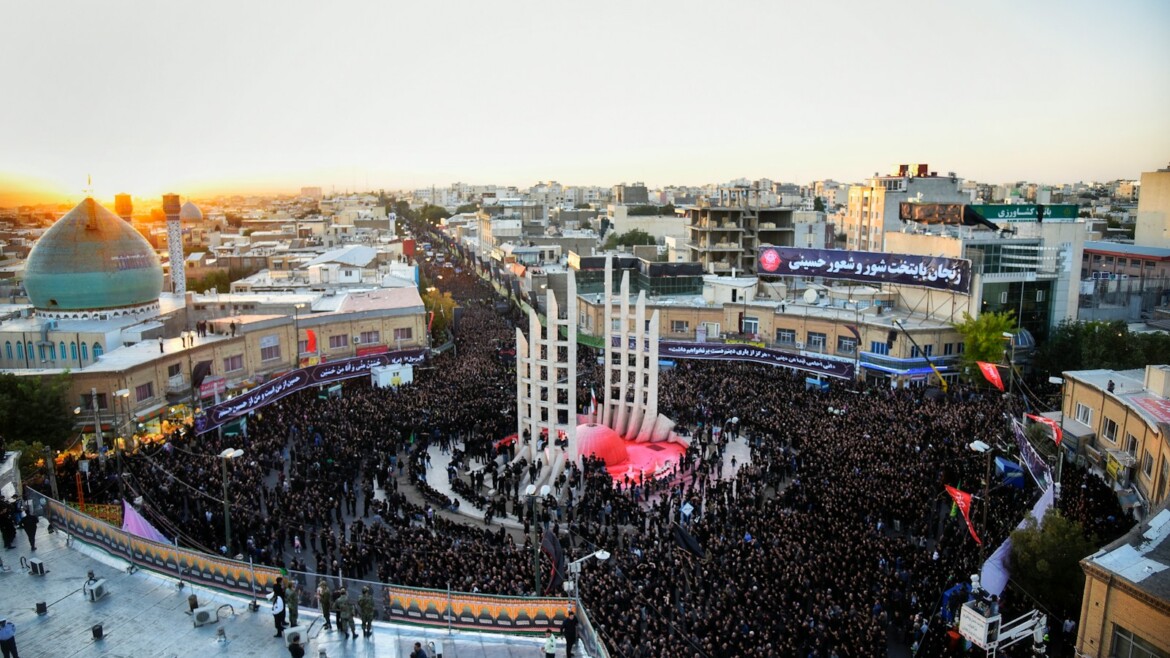
The continued lamentation for Imam Hussain ibn Ali, the grandson of Prophet Muhammad, by Shia Muslims over 1,300 years after his martyrdom at the Battle of Karbala in 680 CE (61 AH) is a profound religious, cultural, and spiritual practice deeply embedded in Shia Islam, particularly among Twelver Shias. This mourning, especially during the month of Muharram and the day of Ashura (the 10th of Muharram), is not merely a historical commemoration but a multifaceted tradition rooted in theological, historical, socio-political, and emotional dimensions. Below is a detailed analysis of why Shias continue to lament for Imam Hussain, supported by historical context, Islamic hadith, theological principles, and cultural practices.
1. Theological Foundations: The Role of Imam Hussain in Shia Belief
In Shia theology, Imam Hussain holds a central position as the third Imam in the line of the Twelve Imams, who are considered divinely appointed successors to Prophet Muhammad and infallible guides for the Muslim community. The lamentation for Imam Hussain is rooted in the belief that his martyrdom was a divinely ordained sacrifice to preserve the true essence of Islam against tyranny and corruption.
Qur’anic Basis
While the Qur’an does not directly reference Imam Hussain, Shia scholars draw parallels between his sacrifice and Qur’anic themes of standing against oppression and sacrificing for the sake of God. For example:
- Qur’an 3:140: “If a wound has touched you, be sure a similar wound has touched the others. Such days (of varying fortune) We give to men and women by turns: that Allah may know those who believe, and that He may take martyr-witnesses from among you.” This verse is often cited to emphasize the sanctity of martyrdom, with Imam Hussain’s sacrifice seen as a supreme example.
- Qur’an 2:154: “And do not say of those who are killed in the way of Allah, ‘They are dead.’ Rather, they are alive, but you perceive it not.” Shias believe that Imam Hussain and the martyrs of Karbala are spiritually alive, and mourning them fosters a connection with their enduring legacy.
Hadith Evidence
Numerous hadiths in Shia sources emphasize the importance of mourning Imam Hussain:
- Prophet Muhammad’s Foreknowledge: A narration in Bihar al-Anwar (vol. 44, p. 252) states that the Prophet Muhammad foretold the martyrdom of Hussain and wept, saying, “O my Hussain, you will be killed in a land called Karbala, and a group of my Ummah will betray you.” The Prophet’s tears are cited as a model for mourning.
- Imam Ali’s Instruction: Imam Ali ibn Abi Talib is reported to have said, “The remembrance of Hussain’s martyrdom is a means of forgiveness and nearness to Allah” (Misbah al-Mutahajjid, p. 392). This underscores the spiritual merit of lamentation.
- Imam Ja’far al-Sadiq’s Guidance: The sixth Imam emphasized rituals of mourning, stating, “Every tear shed for Hussain and his family wipes away sins and elevates one’s rank in Paradise” (Amali al-Saduq, p. 137). Such narrations establish mourning as a religiously rewarding act.
The Concept of Wilayah (Guardianship)
In Shia theology, love and devotion to the Ahl al-Bayt (the Prophet’s family) is a fundamental aspect of faith, known as wilayah. Lamenting Imam Hussain is an expression of loyalty to the Ahl al-Bayt, reinforcing the believer’s commitment to their spiritual leadership. Neglecting this remembrance is seen as a failure to uphold wilayah, which is considered essential for salvation in Shia belief.
2. Historical Context: The Tragedy of Karbala
The Battle of Karbala, fought on October 10, 680 CE, was a defining moment in Islamic history, particularly for Shias. Imam Hussain, along with his family and a small group of companions (approximately 72 men), faced the vastly larger army of Yazid I, the Umayyad caliph. Refusing to pledge allegiance to Yazid, whom Hussain deemed an unjust and corrupt ruler, he and his supporters were brutally killed after enduring days of thirst and siege. The women and children, including Imam Hussain’s sister Zainab, were taken captive and paraded to Damascus.
Symbolism of Karbala
- Resistance Against Tyranny: Imam Hussain’s stand is seen as a universal symbol of resistance against oppression, injustice, and tyranny. His famous saying, “I only rose up to reform the Ummah of my grandfather and to enjoin good and forbid evil,” encapsulates his mission (Bihar al-Anwar, vol. 44, p. 329).
- Moral Victory: Despite the military defeat, Hussain’s sacrifice preserved the moral and spiritual integrity of Islam, exposing the Umayyad regime’s corruption. This victory is celebrated as a triumph of truth over falsehood.
- Perpetuation Through Survivors: The survival of Imam Hussain’s son, Imam Ali ibn al-Hussain (Zain al-Abidin), and his sister Zainab ensured that the message of Karbala was transmitted to future generations. Zainab’s eloquent sermons in Kufa and Damascus transformed the tragedy into a rallying cry for justice, cementing the practice of mourning.
The annual commemoration of Karbala keeps this historical narrative alive, serving as a reminder of the consequences of deviating from just leadership and the importance of standing for truth.
3. Spiritual and Emotional Significance
Lamenting Imam Hussain is not merely a historical recollection but a deeply spiritual and emotional practice that connects Shias to their faith and identity.
Spiritual Rewards
Shia hadiths emphasize that mourning Imam Hussain brings immense spiritual rewards:
- Forgiveness of Sins: A narration from Imam Reza, the eighth Imam, states, “Whoever remembers our tragedy and weeps for us, Allah will make his face joyful on the Day of Judgment” (Bihar al-Anwar, vol. 44, p. 284).
- Intercession: Shias believe that Imam Hussain will intercede for those who mourn him on the Day of Judgment, as supported by narrations like, “Hussain is the lamp of guidance and the ark of salvation” (Uyun Akhbar al-Reza, vol. 2, p. 66).
Emotional Connection
Mourning rituals, such as majlis (gatherings for recounting the tragedy), latmiya (chest-beating), and matam (self-flagellation in some communities), allow Shias to emotionally connect with the suffering of Imam Hussain and his family. These acts express solidarity with their pain and reinforce the believer’s commitment to the values they died for. For example, weeping during majlis is seen as a natural response to the brutality faced by the Prophet’s family, fostering empathy and devotion.
Cathartic Release
The rituals provide a cathartic outlet for expressing grief, not only for Imam Hussain but also for personal and communal struggles. The universal themes of Karbala—loss, injustice, and resilience—resonate with Shias across time, making the mourning a timeless expression of faith.
4. Cultural and Communal Significance
Mourning Imam Hussain is a cornerstone of Shia identity and community cohesion, perpetuated through centuries of cultural practices.
Rituals of Muharram
- Majlis and Processions: Shia communities worldwide hold majlis (religious gatherings) where scholars narrate the events of Karbala, recite elegies (marsiya), and lead communal weeping. Processions, often involving black flags, banners, and replicas of Hussain’s shrine, reinforce communal solidarity.
- Ashura Commemorations: The first ten days of Muharram, culminating in Ashura, are marked by fasting, charity, and mourning rituals. In some regions, taziya (dramatic reenactments of Karbala) and noha (poetic lamentations) are central to the observances.
- Global Practices: From Iraq and Iran to South Asia, the Levant, and diaspora communities, mourning practices vary but share a common focus on remembrance. For example, in South Asia, taziya processions are elaborate, while in Iran, ta’zieh (theatrical performances) are prominent.
Preservation of Shia Identity
During periods of persecution under Umayyad, Abbasid, and later regimes, mourning Imam Hussain became a means of preserving Shia identity and resisting assimilation. The rituals provided a safe space to express devotion to the Ahl al-Bayt, even under oppressive rulers. Today, these practices continue to unify Shia communities, particularly in regions with sectarian tensions.
Intergenerational Transmission
The stories, poetry, and rituals of Karbala are passed down through families, religious schools (hawzas), and community gatherings, ensuring that each generation internalizes the significance of Hussain’s sacrifice. This transmission keeps the mourning alive as a living tradition rather than a distant memory.
5. Socio-Political Dimensions
The lamentation for Imam Hussain also carries socio-political significance, as his martyrdom is seen as a call to action against injustice.
Resistance Against Oppression
Imam Hussain’s refusal to submit to Yazid’s rule is a powerful symbol of defiance against tyranny. Shia scholars and leaders often frame contemporary struggles—whether against political oppression, social injustice, or sectarian discrimination—as extensions of Hussain’s mission. For example, during the Iranian Revolution (1979), Ayatollah Khomeini invoked Karbala to mobilize resistance, stating, “Every day is Ashura, and every land is Karbala.”
Solidarity with the Oppressed
Mourning rituals often include prayers for the oppressed worldwide, aligning with the universal message of Karbala. This resonates with modern Shia movements that advocate for social justice, human rights, and resistance against authoritarianism.
Sectarian Dynamics
In some contexts, mourning Imam Hussain has been a point of contention in Sunni-Shia relations, particularly in regions where Shias are minorities. However, many Sunni Muslims also revere Imam Hussain and participate in Ashura commemorations, especially in regions like Iraq and Pakistan, fostering inter-sectarian unity. The continued mourning reinforces Shia distinctiveness while also inviting broader Muslim reflection on justice and sacrifice.
6. Psychological and Universal Appeal
The story of Karbala transcends time due to its universal themes:
- Sacrifice for Truth: Imam Hussain’s willingness to sacrifice his life and family for the sake of justice resonates with universal human values, making his story relevant across generations.
- Tragedy and Resilience: The brutality of Karbala—thirst, betrayal, and loss—evokes deep empathy, while the survival of Zainab and Zain al-Abidin symbolizes resilience and hope.
- Moral Clarity: The clear dichotomy between Hussain’s righteousness and Yazid’s tyranny provides a moral framework that continues to inspire ethical reflection.
Psychologically, the rituals allow Shias to process grief, affirm their faith, and find meaning in suffering. The communal nature of mourning fosters a sense of belonging, particularly for diaspora communities navigating cultural alienation.
7. Addressing Misconceptions
Some critics, particularly from outside Shia communities, question why Shias continue to mourn an event from over a millennium ago, viewing it as excessive or divisive. These misconceptions can be addressed as follows:
- Not Mere Grief: Mourning is not about dwelling on the past but about renewing commitment to the values of justice, sacrifice, and devotion to God. It is an active, forward-looking practice.
- Not Sectarian Division: While primarily a Shia practice, reverence for Imam Hussain is shared by many Sunnis, Sufis, and even non-Muslims who admire his stand against injustice.
- Not Ritualistic Excess: Practices like matam or weeping are rooted in hadiths and reflect genuine emotional engagement, not superstition or exaggeration.
The continued lamentation for Imam Hussain by Shia Muslims is a multifaceted practice rooted in theology, history, culture, and socio-political consciousness. It is sustained by the belief that Hussain’s martyrdom was a divinely ordained sacrifice to preserve Islam’s true teachings, supported by Qur’anic themes and hadiths from the Prophet and Imams. The rituals of Muharram—majlis, processions, and taziya—serve as spiritual, emotional, and communal expressions of devotion to the Ahl al-Bayt, while also reinforcing Shia identity and resistance against oppression. Far from being a relic of the past, the mourning for Imam Hussain remains a dynamic and living tradition that inspires millions of Shias (and others) to uphold justice, sacrifice, and faith in the face of adversity. By commemorating Karbala, Shias reaffirm their commitment to these timeless values, ensuring that Imam Hussain’s legacy endures as a beacon of guidance.